If you or someone you know lives with gout, you know it can hurt — a lot. Most people think gout pain is just caused by uric acid crystals in the joint. That is part of it, but there’s more going on inside your body. The nervous system (your nerves and brain) and the immune system (your body’s defense system) talk to each other. This talk changes how pain works in gout. I’m going to explain this in a way that’s easy to understand.
Gout Pain Isn’t Just About Crystals
Gout starts when too much uric acid builds up in your blood. The uric acid makes tiny crystals called monosodium urate that settle in your joints. The immune system sees these crystals as a problem and attacks them. That causes inflammation — swelling, redness, and pain. This immune response is the main reason gout hurts.
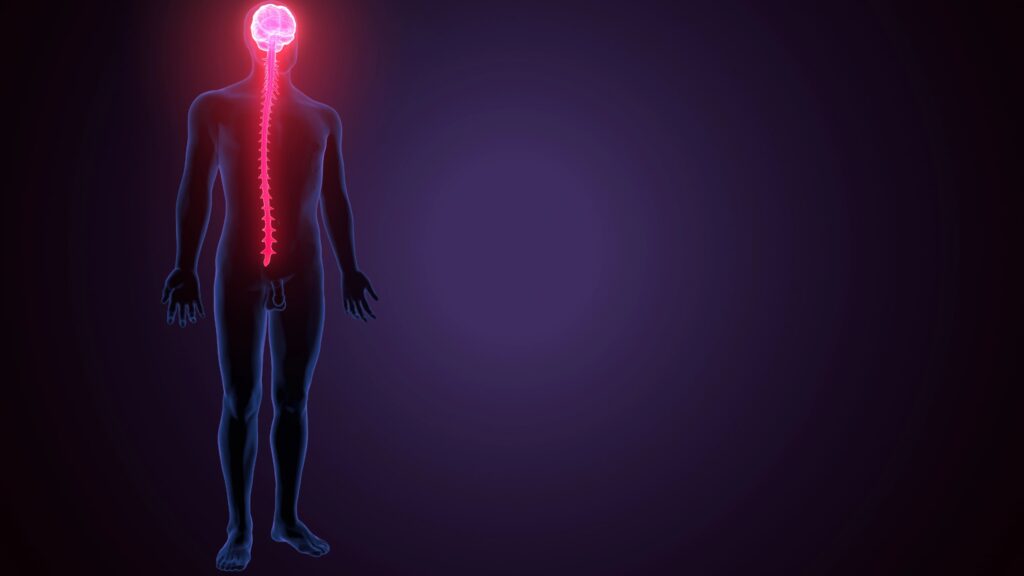
But pain isn’t just a feeling from your immune system. Your nervous system also plays a big role.
What Is the Neuro-Immune System?
Your body has two big systems that help it stay safe:
-
The immune system, which fights infection and inflammation.
Relieves gout in as little as 2 hours and prevents future attacks, totally naturally. Click or tap here for more information... -
The nervous system, which sends signals from your body to your brain — including pain signals.
When these two systems work together, it’s called the neuro-immune system. They share chemicals and signals so they can respond faster to danger or injury.
In gout, immune cells get activated by uric acid crystals. They release special proteins called cytokines that tell the body to send help. These signals also affect nerve cells, which then send stronger pain messages to your brain.
How Nerves Become Sensitive in Gout
When immune cells get excited by crystals, they send out lots of inflammatory signals. These signals reach nerves in your joint. The nerves then become extra sensitive — even small movements can feel painful. This is a key reason gout pain can be so sharp and sudden.
Your body has special nerve endings called nociceptors. These are like tiny pain detectors. When immune signals rush in, they make nociceptors fire pain signals more easily. That’s why gout flares can feel so intense.
Immune Cells and Pain Signals
Did you know immune cells can directly talk to nerve cells? When immune cells detect crystals, they release substances that activate nerve receptors (like TRPV1). These receptors tell nerves “this is painful!” and send the message to your brain.
This means your immune system doesn’t just cause inflammation — it amplifies pain by turning up nerve signals. That’s part of why gout pain can feel worse than you expect from just a little swelling.
Why This Matters
Understanding the neuro-immune link helps us see gout pain in a bigger way. Pain in gout isn’t just a side effect of swelling — it’s part of a conversation between your immune system and nervous system.
Because nerves and immune cells talk to each other:
-
Your immune response not only causes swelling, but also makes nerves more sensitive.
-
Your nerves can influence how immune cells behave, making inflammation stronger or weaker.
This idea is still being studied in labs and clinical research, but it gives us new clues about how gout pain really works.
How It Helps You
Knowing that nerve and immune systems work together means new ways to think about gout health:
✅ Better pain relief — Not just treating inflammation, but calming nerve sensitivity as well.
✅ Broader treatments — Some future gout treatments may target how the immune system and nerves communicate.

✅ Understanding flare triggers — Emotional stress, sleep issues, or other body responses can affect both nerves and immunity (this is part of a field called psychoneuroimmunology).
In Simple Words
Think of gout pain like a loud alarm system.
-
Uric acid crystals set off the immune alarm.
-
Immune cells wave signals that make nerves ring loudly.
-
That noise is what you feel as pain.
So gout pain isn’t just one thing — it’s a team effort between your immune system and your nervous system.
In short:
The immune system gets fired up by uric acid crystals in gout.
That inflammation sends signals to your nerves.
Your nerves then send pain messages to your brain.
Together, they make gout feel so intense.
And that’s the neuro-immune link in gout pain perception — the way your body’s defense system and nervous system work together to create that sharp pain you feel during a gout flare.
Sources
-
Monosodium urate crystals trigger local immune inflammation in gout joints.
-
Nerves and immune cells interact and can cause chronic pain.
-
Neuroimmune channels help inflammatory pain signals grow stronger.
-
TRPV1 receptors show how nerve cells respond to immune mediators and pain.
-
Neuroimmune system overview explains how immune and nervous systems coordinate.